When determining which type of Internet speed and Internet connection type is right for you or your family, it's important to understand the distinction between each connection. In today's age, there are numerous ways to connect laptops, desktops, mobile phones, gaming consoles, e-readers, and tablets to the Internet
Wireless. Wireless, or Wi-Fi, as the name suggests, does not use telephone lines or cables to connect to the internet. Instead, it uses radio frequency. Wireless is also an always on connection and it can be accessed from just about anywhere. Wireless networks are growing in coverage areas by the minute so when I mean access from just about anywhere, I really mean it. Speeds will vary, and the range is between 5 Mbps to 20 Mbps.
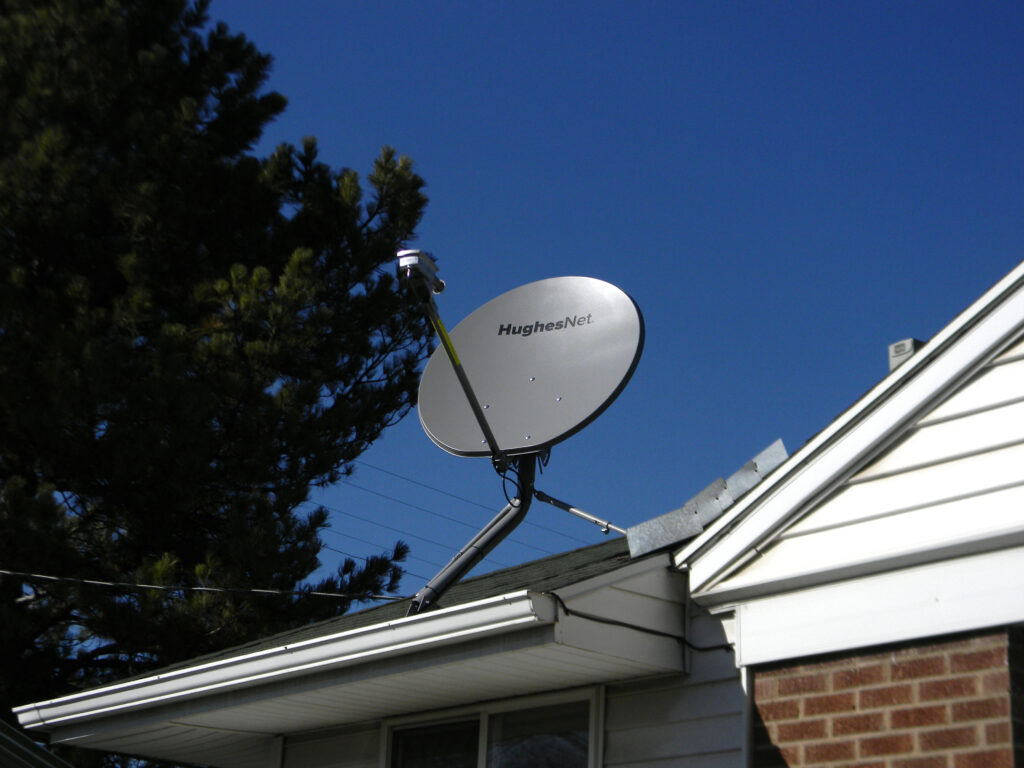
Satellite. Satellite accesses the internet via a satellite in Earth’s orbit. The enormous distance that a signal travels from earth to satellite and back again, provides a delayed connection compared to cable and DSL. Satellite connection speeds are around 5Mbps to 100 Mbps.
Cellular. Cellular technology provides wireless Internet access through cell phones. The speeds vary depending on the provider, but the most common are 3G and 4G speeds. A 3G is a term that describes a 3rd generation cellular network obtaining mobile speeds of around 2.0 Mbps. 4G is the fourth generation of cellular wireless standards. The goal of 4G is to achieve peak mobile speeds of 150 Mbps but the reality is about 30 Mbps currently.
Fibre. Fibre is the newest in broadband internet technology, fiber-optic internet boasts the highest speeds available. Fiber-optic cables contain filaments of glass or plastic, which use light pulses to transmit large amounts of information over long distances at the highest speeds. Unlike previous broadband services, fiber-optic upload speeds mirror its download speeds, which are typically quite disparate across DSL and cable transmissions. Fiber internet is also immune to the slow-down issues that other internet services experience.
Because this technology is so new — and relies on a wholly independent infrastructure — fiber-optic internet service is both expensive and hard to come by. As companies move to adopt this newer, faster service, it is making its way to more cities — though it must be built from the ground up, since unlike DSL or cable, fiber internet does not utilize existing lines of service. With Fibre connection you should expect speed between 5Mbps to 10Gbps